SET YOUR OWN CLOCK:
What Caribbean Diaspora Writers Can Learn from Dancehall

A few weeks ago, author Dale Mahfood sent me an essay that stopped me cold.
It was published by @reggaeology, a writer covering Jamaican music on Substack, and it explained why the major-label industry has consistently failed dancehall artists. It wasn’t that the music wasn’t good enough. It was that the industry was measuring it with the wrong instruments. Dancehall doesn’t spike and disappear. It travels slowly, through diaspora communities, through shared playlists, family WhatsApps, and parties in cities the labels never targeted. The labels saw underperformance. What was actually happening was something completely different.
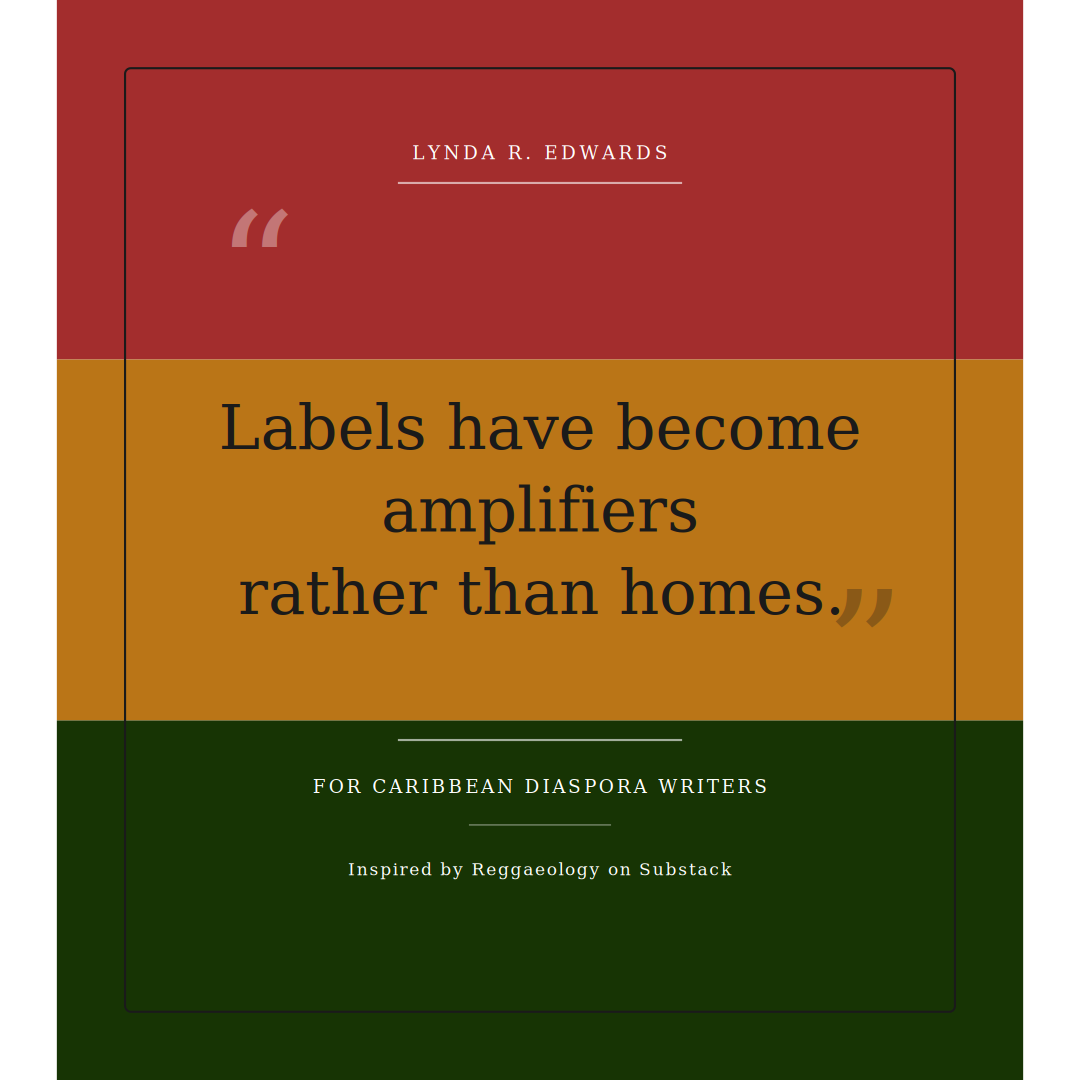
Dale sent it to me with a note about his favorite line: “Labels have become amplifiers rather than homes.” And he said, “ We need to think that way about book publishers, too.”
I couldn’t stop thinking: he’s right. And this is exactly what happens to West Indian writers.
In my essay “Lost Voices of the West Indies,” I wrote about how Caribbean diaspora authors are an untapped market, begging for organization and representation, and that finding a literary agent is hard, and finding a trustworthy publisher is next to impossible. But Reggaeology’s piece, and Dale’s insight, gave me something beyond a diagnosis. They gave me a map.
If publishers are amplifiers, not homes, then we stop auditioning for their approval and start making deliberate choices about when and how they serve our work. The home was always ours. Our voice, our community, our stories. A publisher is a strategic partner you choose for a specific moment, on your terms. When that moment is over, you move on, owning your work, building your legacy.
Because here is what I now believe: the same logic that explains why dancehall outlasts its commercial moments explains why West Indian literature will outlast the gatekeepers who can’t see it.
We don’t need permission to travel. We never did.
Our stories move the same way our music does, through kinship, through memory, through the bond that begins as a low drumbeat in the soul of everyone who has ever been Jamaican, Trinidadian, Barbadian, Caribbean. We are already everywhere. The instruments just aren’t calibrated to see us.
Reggaeology wrote something else I’ve been carrying: “Authenticity is not a niche concern, it is the source of the music’s power to travel.”
Write that down. Put it on the wall above your desk.
Because that is the answer to every voice that has ever told you to smooth out the patois, soften the heat, make yourself more palatable for a market that wasn’t paying attention anyway.
Don’t.
The specificity is the gift. The patois, the rhythm, the way we name the world, these are not barriers to reaching readers. They are exactly why readers, once they find us, never let go.
Major publishers chase moments. Caribbean diaspora literature builds movements.
So let me tell you a story. in my voice, on my clock, for every West Indian who ever needed to see themselves on a page.
Thank you to @dalemahfood for passing this along, and to Reggaeology on Substack for the essay that sparked it all. Go read it -“Why Major Labels Miss The Beat On Dancehall” (Reggaeology, March 16, 2026)
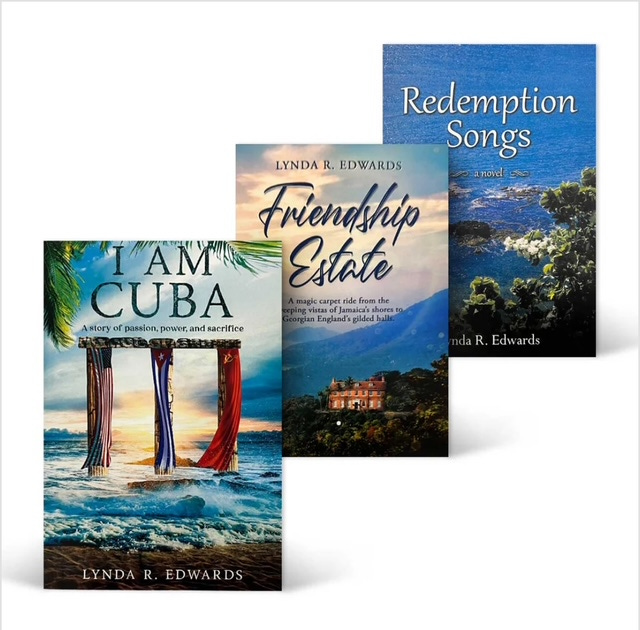
📚 Redemption Songs 📚 Friendship Estate 📚 I Am Cuba
You can find the links at www.lyndaredwards.com.

Nuff said. Thank you, Lynda.
What an insightful map, Lynda—one that has long been before us, yet we never truly journeyed through it.
Awareness is powerful. Let’s build movements, not chase moments that were never designed to truly empower us.