The Gatekeepers Just Lost Their Gate:
Why AI Filmmaking Could Be the Caribbean's Moment

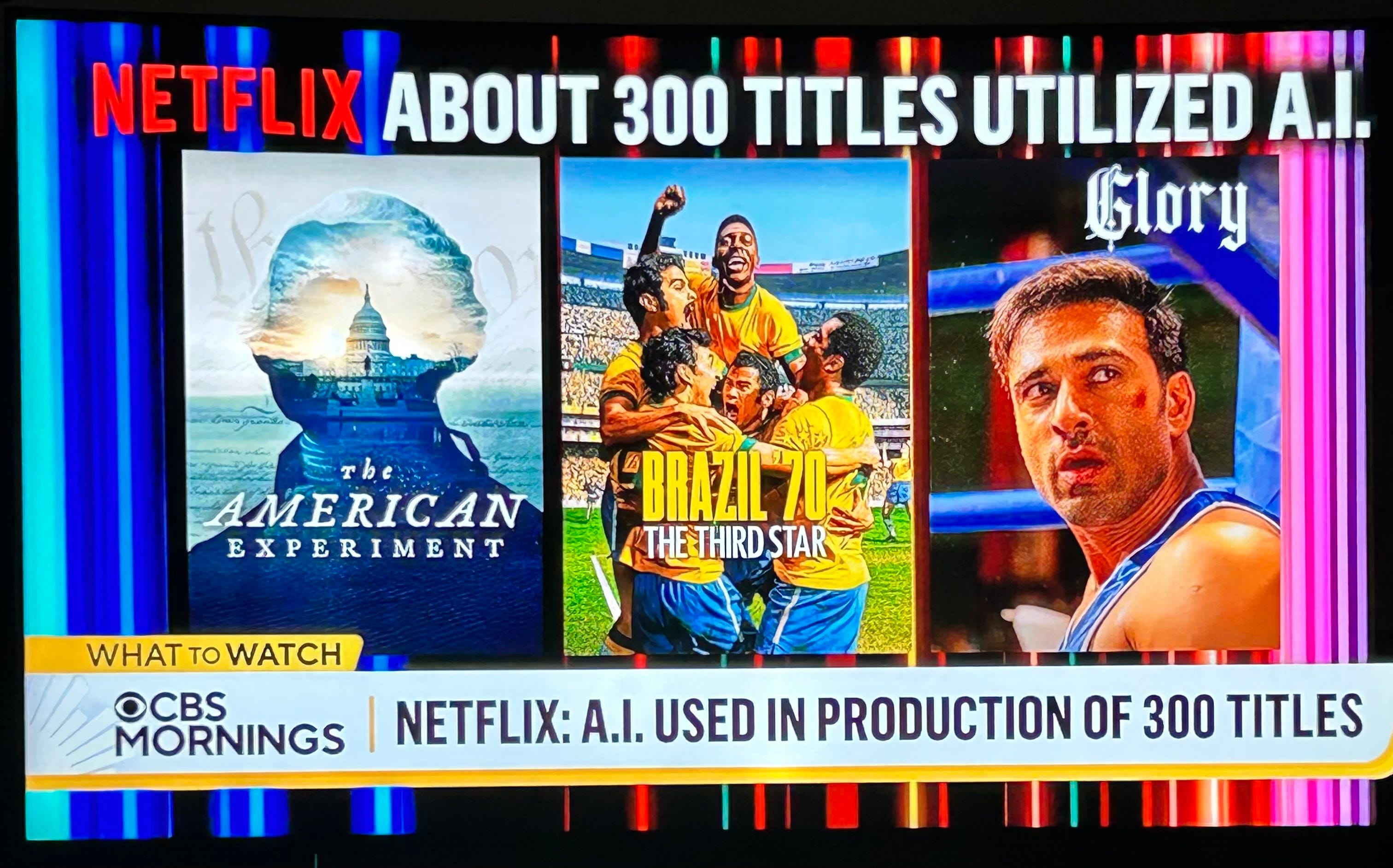
Netflix just told its shareholders something remarkable. Roughly 300 of its programs this year have used generative AI at some point in the production process. From concept and pre-visualization through post-production and release. Co-CEO Ted Sarandos pointed to an American Revolution docuseries with 17 minutes of AI-enhanced footage that, in his words, expanded the scope of the series in ways that simply wouldn’t have been feasible before. And it was produced twice as fast and at half the cost.
Twice as fast. Half the cost.
Now sit with that for a moment, and think about the Caribbean.
For decades, our stories have gone untold, not because we lack storytellers, but because we lack budgets. The maroon rebellions. The Haitian Revolution. Carnival’s origins in resistance and masquerade. The cricket dynasties. The migrations to Panama, to England, to Brooklyn. Anansi. Papa Bois. La Diablesse. Stories with sweeping scope, period settings, crowd scenes, and historical battles. Exactly the kind of “highly complex sequences” that have always priced us out of the room.
When our stories have made it to screen, they’ve too often been filtered through outside lenses: our islands as backdrop, our people as scenery, our accents softened or replaced entirely. We became the setting for someone else’s story instead of the tellers of our own.
Here is what changes now.
If a global streamer with billions in revenue is using AI to make previously impossible shots possible, imagine what these same tools mean for a filmmaker in Kingston, Port of Spain, Bridgetown, or Castries working with a fraction of a fraction of that budget. Pre-visualization that once required expensive specialists. Period-accurate crowd scenes. Historical reconstructions of our cities as they looked a hundred, two hundred years ago. Visual effects that used to demand Hollywood post-houses. The technology doesn’t write the story for us; it removes the financial wall that stood between our stories and the screen.
And this isn’t just about writers and directors. It’s about actors.
How much Caribbean acting talent has never been discovered because there were simply no productions to be discovered in? You cannot build an acting career in a region that produces a handful of feature films a decade. Lower production costs mean more productions. More productions mean more roles. More roles mean our actors get to play our characters, speaking in our voices, our rhythms, our patois, and dialects, instead of waiting for the occasional stereotyped part in someone else’s film.
Sarandos made a point I think we should hold onto: faster and cheaper doesn’t matter if it’s not better. He’s right. AI is not a substitute for craft. It still takes writers, actors, directors, and lighting techs. It takes artists to make something great. The tool doesn’t tell the story. But for the Caribbean, “faster and cheaper” isn’t a corner-cutting exercise. It’s the difference between a story existing and not existing at all. That’s not a compromise on quality. That’s access.
There are real questions we’ll need to answer as a region. How do we train our creatives on these tools so the value stays here? How do we protect our performers and our cultural imagery from misuse? How do we make sure this becomes a ladder for Caribbean talent rather than another way for outsiders to manufacture “Caribbean content” without Caribbean people? These questions deserve serious answers, and we should be the ones answering them.
But the headline is this: the single biggest barrier to Caribbean cinema has always been money, and that barrier is shrinking in real time. The gatekeepers didn’t open the gate for us. The gate is simply mattering less.
Our stories have waited long enough. It’s time to tell them in our own voices, and now, finally, we might have the tools to do it.
What Caribbean story would you make first if budget were no longer the barrier? I genuinely want to know — tell me in the comments.
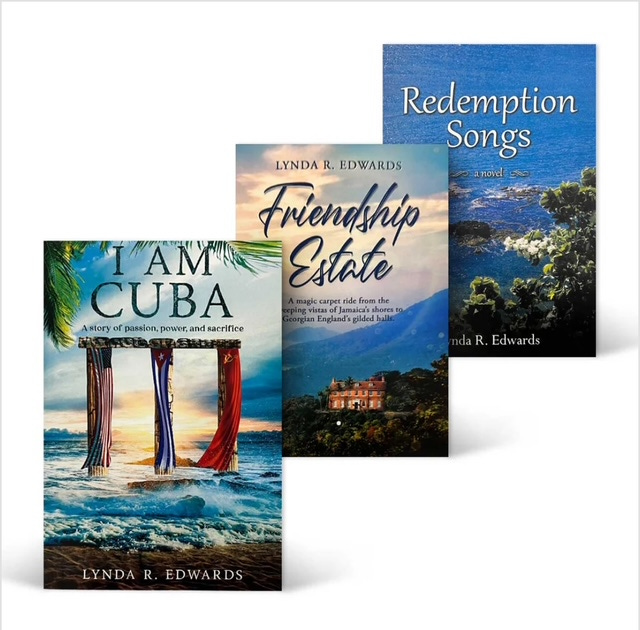
📚 Redemption Songs 📚 Friendship Estate 📚 I Am Cuba 📚 Yo Soy Cuba
You can find the links at www.lyndaredwards.com.